 Share
Share
“We are the youth of the new generation. But while our scientists send out 100 missiles worldwide, we are not able to resolve the issue of 50 or so children begging at traffic signals in our cities. It is rather shameful. We see dreams of having superpowers, yet our children are begging on the streets.” - Bhatu Sawant, founder.
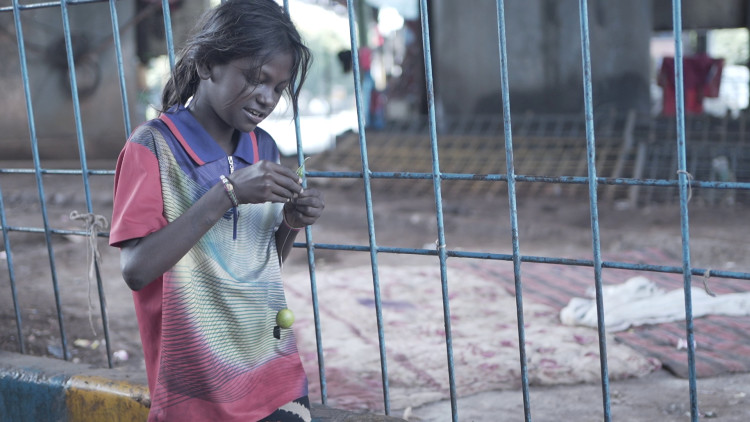
A journalist by profession, Bhatu Sawant’s work involved travelling around localities, and it was during one such occasion that he came across a sight that would change his life forever. While he waited for the red light to turn green at a traffic signal, he spotted a group of nearly 50 children across the street at a neighbouring signal, begging for alms and selling several little things.
“I thought to myself, this being our reality even after 70 years of independence means we have failed our children. It is in no way the children’s weakness, but ours. We have given them birth, but not the childhood they deserve. I had decided then that I wanted to do something for them.” - Bhatu Sawant, founder, Signal Shala
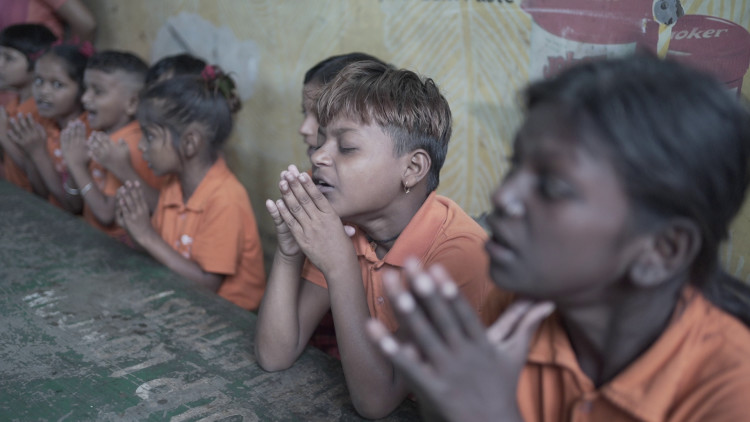
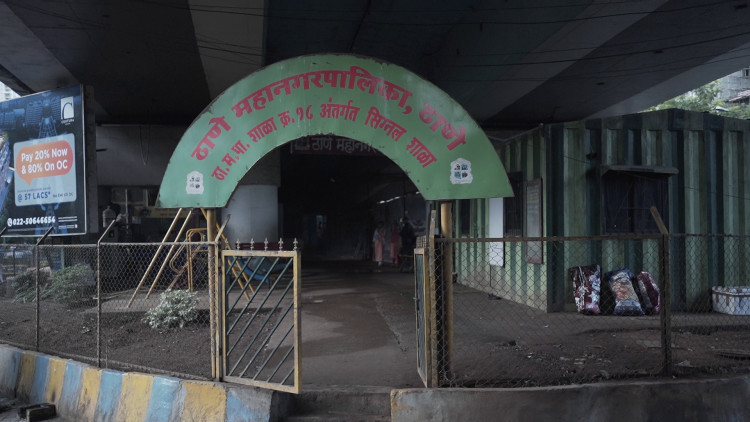
With this conviction, in 2016, Sawant alongside his Pune-based NGO Samarth Bharat Vyaspith (SBV) established Signal Shala - school at the signal - under Thane’s Teen Haath Naka flyover. The school aims to provide free mainstream education, both primary and secondary, to underprivileged children living on the streets, and facilitates friendly learning methods as well as development of cognitive skills through social participation.
Sawant and his team engaged in intensive research before they could build on the idea for the school. Initially there were 3 main hurdles: coordination with the parents, access to toilets and language barriers, and they set out to tackle them one at a time. First, they studied the local signals and identified how many children would visit these spots regularly.
After conversations with the parents of these children, the volunteers learned that many of them belonged to nomadic tribes of Maharashtra. Hence, they couldn’t understand the primary mode of communication in the state, which is generally Marathi, English and Hindi. Instead they conversed in Pardhi, a language commonly spoken in rural Maharashtra.
There was a lot to unpack here, and the SBV team decided to take matters into their own hands. Sawant and the teachers at Signal Shala taught themselves to speak Pardhi, so they could communicate more easily with the Pardhi-speaking children. They knew they had to break this vicious generational cycle of begging, and the only way to do that was with education. But, even that wasn’t as easy as it sounds.
The SBV team’s next challenge was to convince the parents of these children to let them pursue an education. They sought to reform their life revolving around begging, malnutrition, superstition, child marriages and health issues, through counselling facilities. One of the students, Nikita, was all set to be married upon her parents’ wishes, when the volunteers at Signal Shala convinced them to permit her to study for a brighter future.
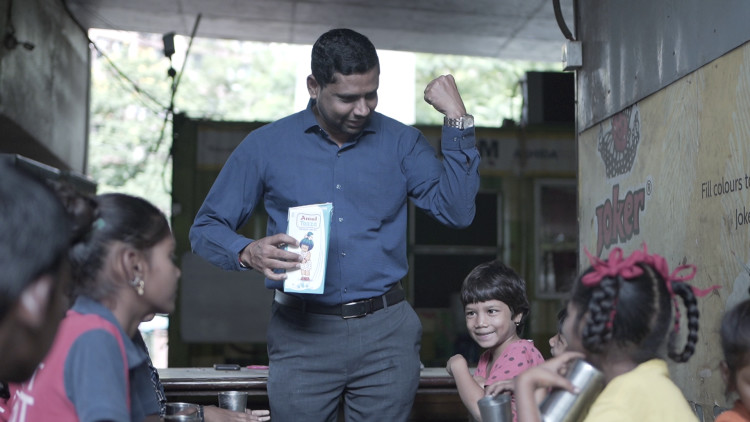
“Child marriage is still practised in many parts of India, and it is especially prevalent in nomadic tribes. For them, there hasn’t been a girl child that has gone on to study and become successful. In their eyes, girls are born to be married off and have children so they can sell things at traffic signals and make money. But due to this, children that should be in the 7th or 8th grade end up becoming pregnant, and this also has negative repercussions on their health.” - Bhatu Sawant,
The team started taking in and teaching students once the school took shape in a large shipping container under the Thane flyover. They eventually overcame the language barrier by preparing the syllabus in Pardhi, then teaching them in Hindi once the children understood what they were being taught. So the process of learning, unlearning and relearning was constant.
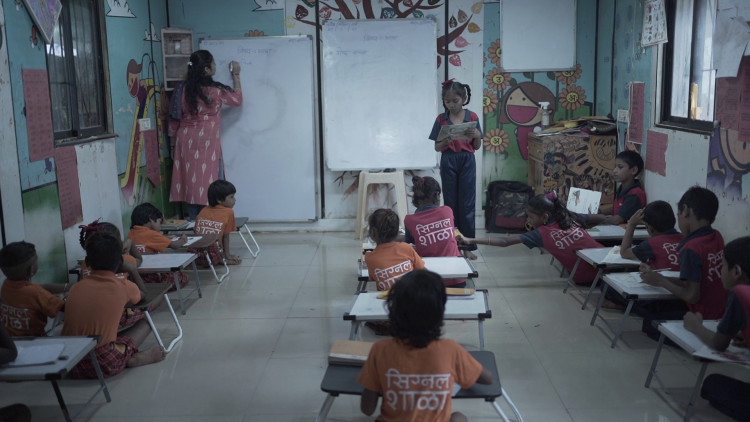
"Initially, when the students came to our school, they would often sleep in the classroom. So we thought it was because they were tired from selling things at night. Eventually we realised there must be another reason. We arranged for a medical checkup for these students and discovered that they were severely malnourished. So, it was important that we start providing these children nutritional meals along with good education. "- Bhatu Sawant.
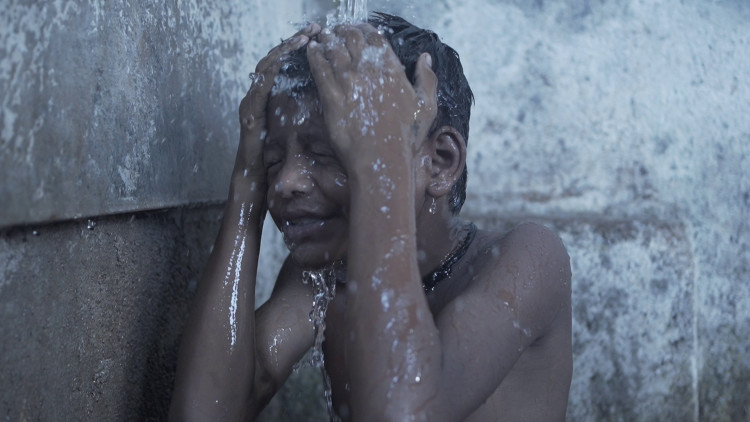
It was understood that a mainstream school would not make sense for these children and even bathing was more of a luxury to them. While they attend school during the day, they work to earn a living at night. So Signal Shala became a residential school, providing them with breakfast, lunch and dinner. The focus was also on improving their health, and nourishing them with nutrition-rich food, thereby eradicating malnutrition.
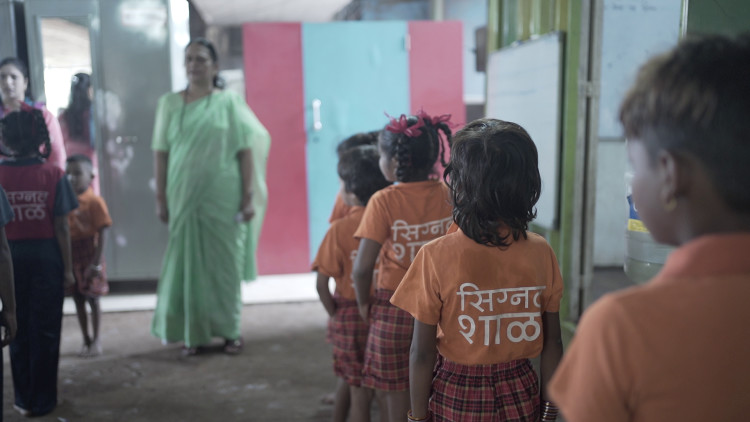
Signal Shala employs 6 regular school teachers and 5 volunteers, to ensure that the education attained by the students is training-bound and result-oriented. Currently, Signal Shala caters to 37 children, of which 2 are even pursuing further education. While one is a successful engineer, the other studied to become a police officer. The school also wishes to start enrolling more girls, seeing that the number of boys in the classroom surpasses that of girls.
“After spending nearly 8 years studying in Signal Shala, these children have learned to call us ‘sir,’ and the teachers ‘madam’. But when we first started this school, these very children used to call us ‘seth’ [master] because anyone that offered them something whilst they begged at the signal, was a seth to them. I personally believe that Signal Shala’s journey starts from being called a seth and ends with being called a teacher.” - Bhatu Sawant
Till now, Signal Shala has been able to carry out its mission successfully and educate underprivileged street children with financial help from individual donors who contributed towards SBV out of their free will. But the organisation is now running out of funds and struggling to continue its operations. They need your support to keep up their good work, and reach out to more children so they can break the chain of generational begging and keep them off the streets.
The funds will be utilised to support the teachers, help with the daily expenses, transportation facilities for the students as well as for extracurricular activities, thereby positively impacting the lives of the students.
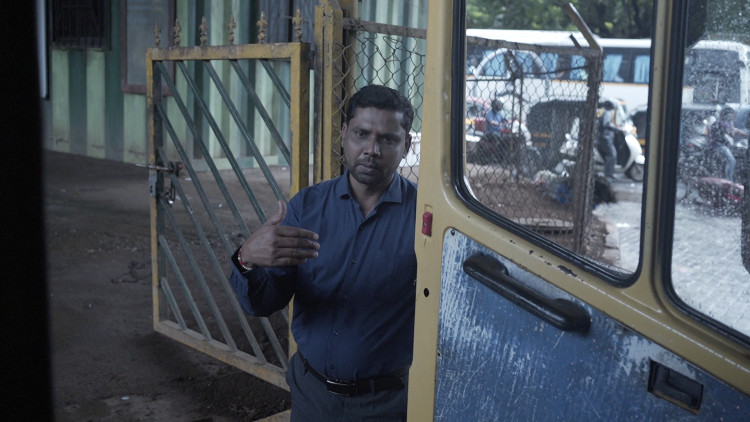
“Just as an ideal parent spends money on their children’s basic essentials, we want to do the same for our students. I request you all to put your heart into contributing and helping these children, so we can work towards the betterment of India together.” - Bhatu Sawant